Three factors let a microfiber superpol blend towel survive hundreds of washings: the fiber blend itself, the weave and edge construction, and the material properties that resist wash degradation. Microfiber supplies absorbency, while superpol adds strength and shape retention. You will see the mechanisms behind absorbency retention and wash durability here, with no marketing claims. These microfiber towels show how fiber choice and construction work together.
Key Takeaways
- Microfiber and superpol fibers work together to absorb water and keep the towel strong after many washes.
- A dense weave and sealed edges help the towel resist wear and stay scratch-free.
- Wash without fabric softener, wash separately, and air dry to keep the towel absorbent and in good shape.
Fiber Science Of The Microfiber Superpol Blend Towel
How Microfiber Delivers Excellent Water Absorption
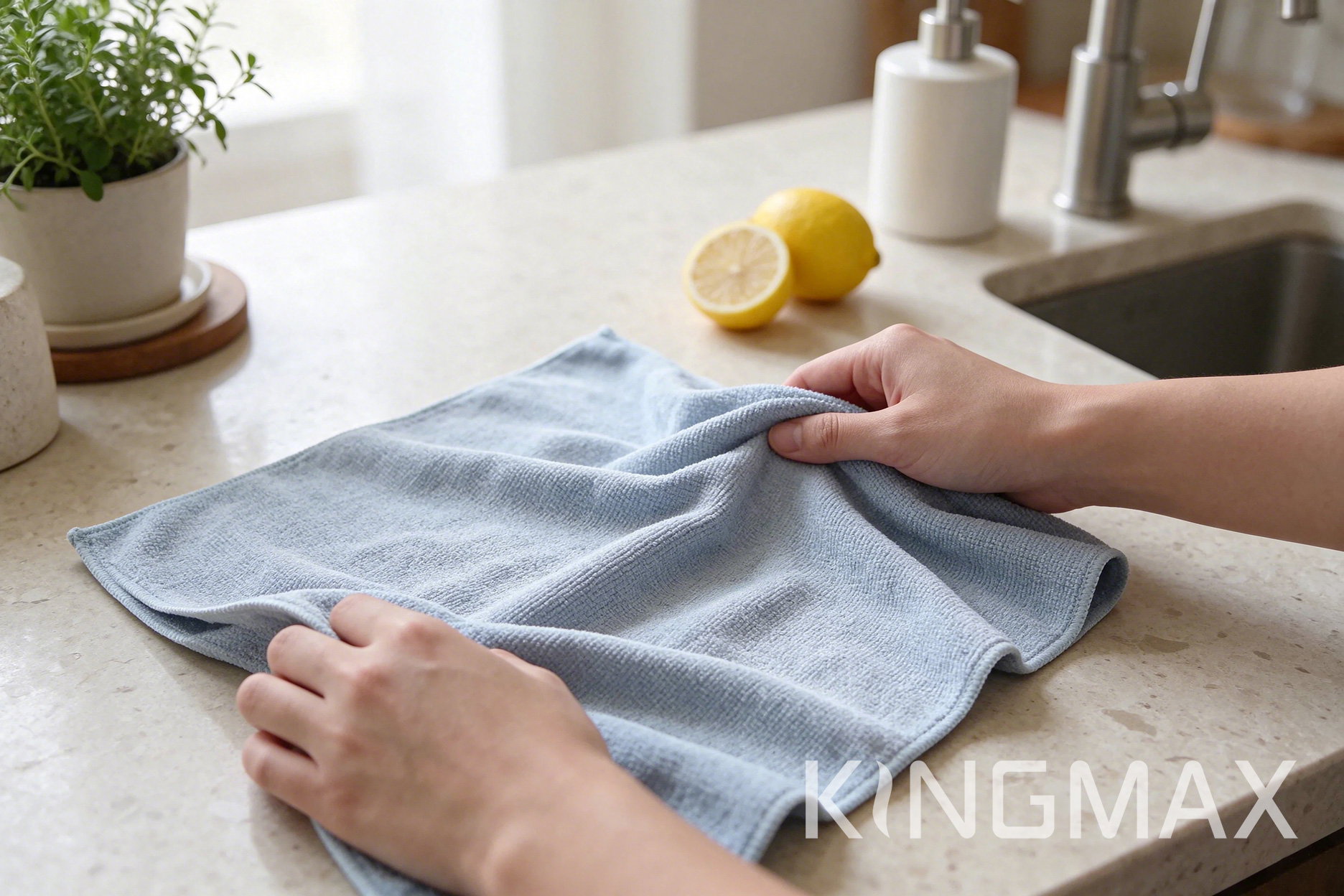
You get excellent water absorption from the structure of the fibers themselves. The microfiber superpol blend towel uses a blend of polyester and polyamide, typically 80% polyester and 20% polyamide. These ultra-fine synthetic fibers measure much finer than human hair. Each strand splits into many tiny wedges, and this unique structure creates a large surface area for trapping liquid.Water clings to those split channels through capillary action. One towel can hold seven times their weight in water. That figure explains the superior absorbency you notice when cleaning up spills. The towel stays lightweight enough to wring out by hand, and it air dries quickly between tasks. A 300gsm weight balances two needs: enough density for impressive absorbency, and low enough bulk for fast drying.The same fine fibers do more than soak up water. Microfiber cloths attract dust and grime through electrostatic absorption. The fibers pick up dirt, dust, and grime from hard surfaces and hold it until you rinse the cloth. You can absorb more liquid in a single swipe, and the surface dries without streaks.
Why Superpol Strengthens The Blend
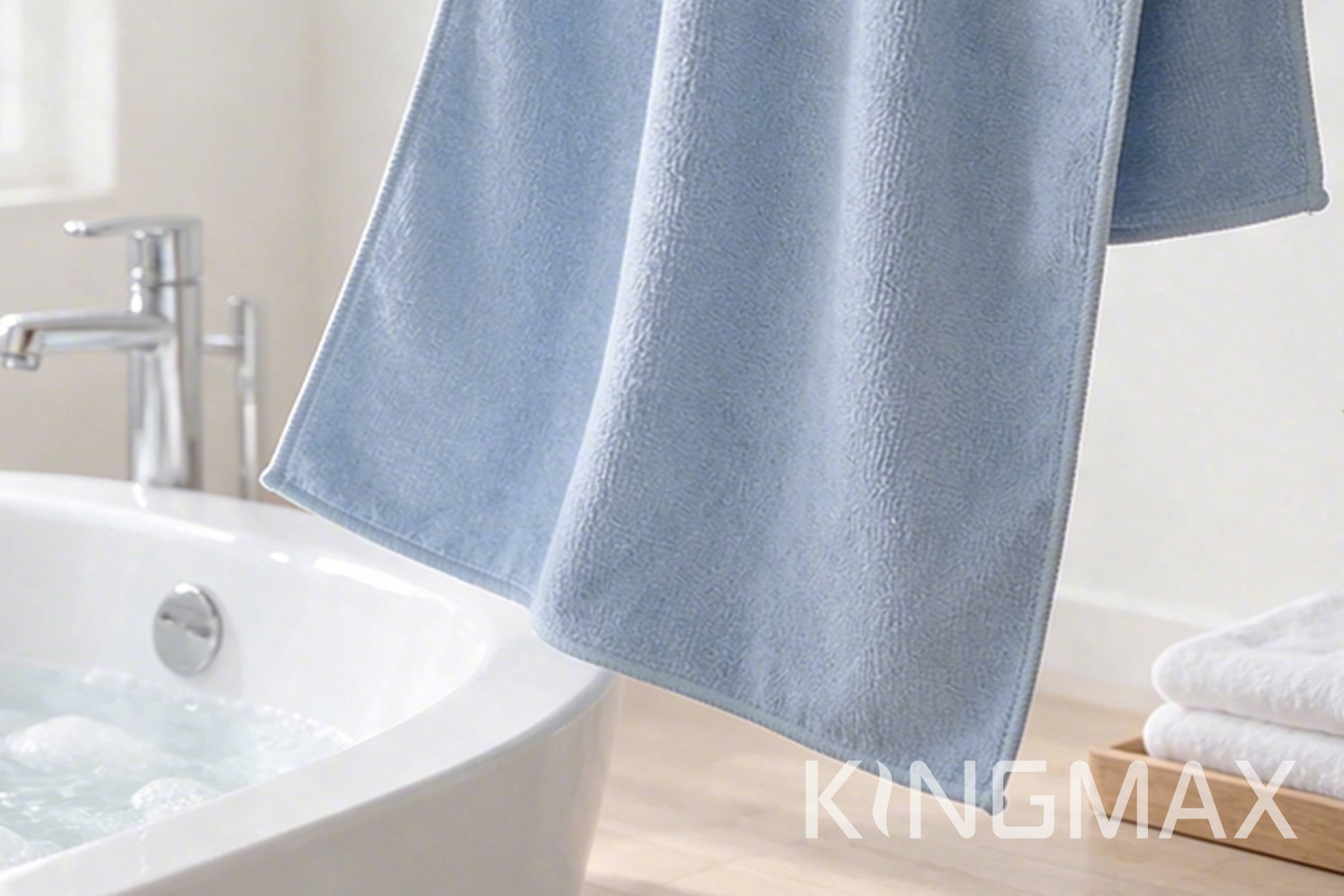
Absorbency alone does not survive hundreds of wash cycles. The superpol component gives the towel its resilience. Polyester and polyamide fibers each play a role here. Polyester contributes strength and resists stretching during washing. Polyamide, the nylon family member, adds elasticity and helps the fabric hold its shape. Together they form a highly absorbent material that keeps working after repeated laundering.Think of the blend as a team. The microfiber side handles liquid pickup, and the superpol side keeps the fabric from collapsing. This is why the towel remains absorbent wash after wash. Weak fibers fray and mat down in the machine. The blend resists that breakdown, so the towel keeps its soft hand and its pickup power.You will find these traits across quality microfiber towels. The microfiber superpol blend towel simply combines them in one fabric. The fine fibers stay intact, the structure stays open, and the towel keeps delivering the performance you expect from microfiber towels. That durability starts in the fiber science, not in a coating or a treatment.
Construction That Survives Repeated Washings
Weave Density And Ultrasonic Edges
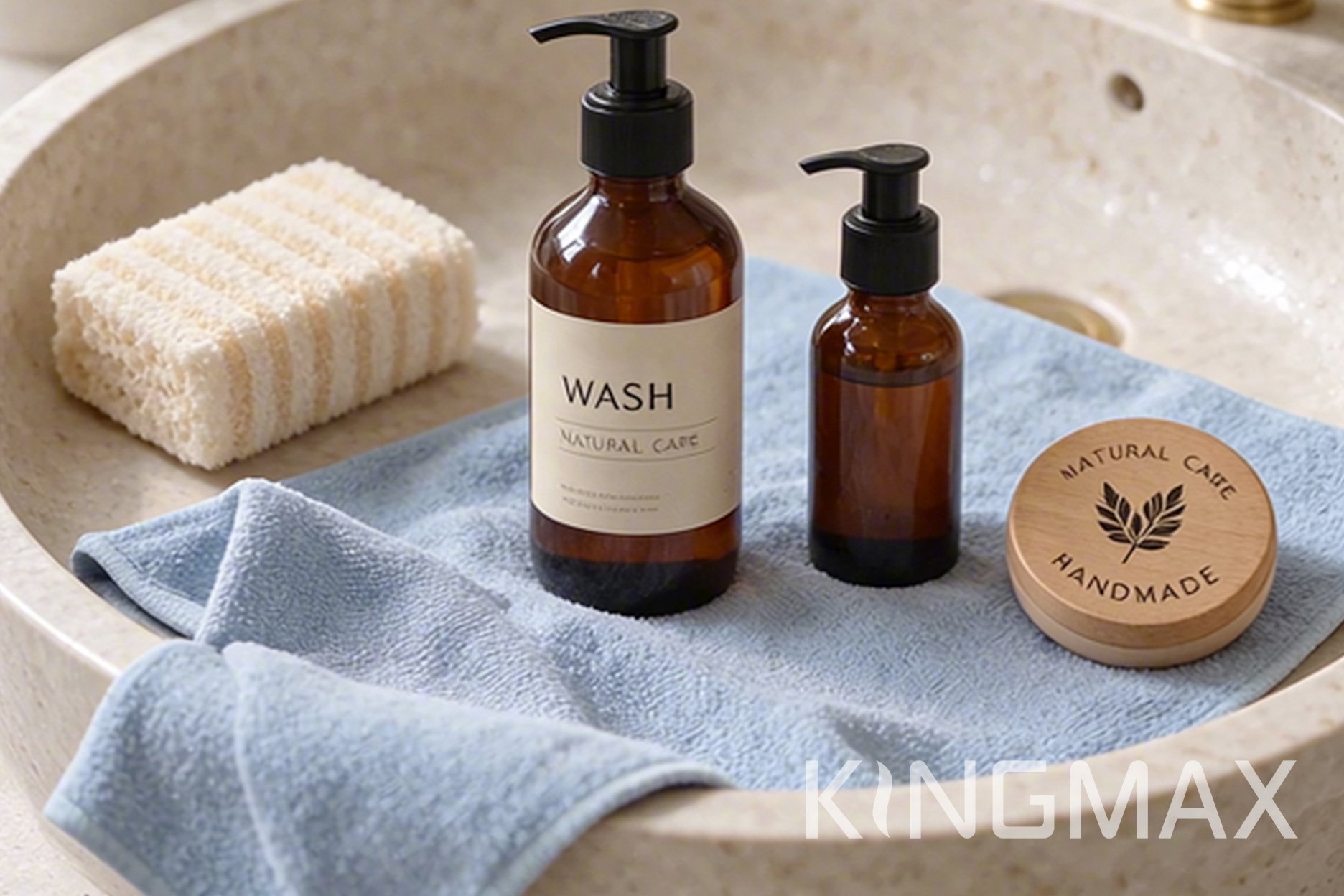
Fiber science sets the foundation, and construction decides how long that foundation lasts. The microfiber superpol blend towel relies on a dense weave that locks fibers in place. A tight weave keeps the loops from pulling apart during agitation. It also keeps the fabric from thinning out over time. You get the same plush surface after hundreds of washings.Stitching matters just as much. Reinforced edges prevent twisting and curling. Weak hems roll up in the wash and trap debris. Reinforced stitching holds the towel flat, so it keeps its shape and its cleaning contact area. That detail separates durable microfiber towels from short-lived ones.Ultrasonic cutting shapes the edge without a raw, frayed border. The process seals the fabric edge cleanly. No loose threads appear, and no stiff hemline develops. The result is a scratch-free edge you can trust on car paint and delicate decorations. You can wipe a painted panel or a fragile ornament without fear of marring the surface. Many microfiber cloths leave fine scratches from rough cut edges. Ultrasonic sealing removes that risk entirely.Color-coding adds a practical layer of protection. Multiple colors let you assign one cloth to each cleaning task. You avoid cross-contamination between bathrooms, kitchens, and vehicle surfaces. A simple color system keeps your microfiber towels organized and hygienic.
Care Tips For Microfiber Towels
Proper care preserves both absorbency and shape. Machine washing works well for this towel, and a few habits keep it performing. Avoid fabric softener at all times. Softener coats the fibers and blocks their pickup power. Wash microfiber cloths separately from cotton items. Lint from other fabrics clings to microfiber and clogs the split structure. Air drying protects the fibers from high heat and keeps the weave intact.Follow these steps and your microfiber towels stay absorbent and true to shape. The dense weave, reinforced stitching, and sealed edges do their part. Your washing routine does the rest. Together they deliver a lint-free finish wash after wash. A towel built this well rewards simple, consistent care.The microfiber superpol blend towel earns its superior absorbency from split microfiber structure. Superpol resilience, a dense weave, reinforced stitching, and ultrasonic edges preserve that performance across wash cycles. Absorbency and durability come from the same design choices, not separate features. Machine wash without softener, wash separately, and air dry. These habits keep your microfiber towels absorbent and true to shape, so every microfiber cloth keeps working.
Comments