You mop the floor, but streaks stay behind. Wet spots last for a long time. You ask if it is really clean. A new answer is here. The Recycled Microfiber Chenille Mop Head changes how you clean. It soaks up water well and lasts long, plus it is kind to the earth, so it removes dirt with ease. This post looks at its best features, compares it to older mops, and gives tips for using it well. Find out why this upgrade is worth having at home. Since the green cleaning market grows by 9.60% each year, picking eco-friendly options matters more now than before.
Key Takeaways
- This mop head picks up 75% more dirt than old mops. It also kills 95% of bacteria with just water.
- It is made from 100% recycled plastic bottles. This choice reduces waste and supports a greener planet.
- You can wash it over 300 times. This long life saves you money and cuts down on replacements.
What Is a Recycled Microfiber Chenille Mop Head?
Think of a cleaning tool that mixes new eco-friendly tech with classic scrubbing strength. That tool is the Recycled Microfiber Chenille Mop Head. This mop head is made from 100% recycled microfiber, also called rPET. The "r" means recycled, and PET is the kind of plastic used in water bottles. Factories turn old bottles into very thin fibers that catch dirt really well.
The Eco-Friendly Innovation
The trip from plastic bottle to mop head is simple to follow. First, workers clean and break PET bottles into small bits at a plant. Next, they heat those bits and spin them into polyester fiber. Then, they weave the recycled fibers into cloth, much like cotton or linen. Finally, they sew the cloth into the final mop head product.
This process uses mechanical PET recycling. That method keeps the chemical makeup of the original plastic. It also uses less energy than chemical recycling. The main difference from regular microfiber is not in how well it works but in where the material comes from. rPET microfiber comes from plastic waste that already exists, not from new fossil fuels. You get the same cleaning power without using fresh materials.
Certifications back up this eco-friendly promise. The RCS100 certification applies to products where at least 95% of the material by weight is recycled. A mop head made fully from 100% recycled materials qualifies for RCS100, as long as additives stay under 5% of total weight. This certification gives you trust that your buy truly helps the planet.
The Science of the Chenille Texture
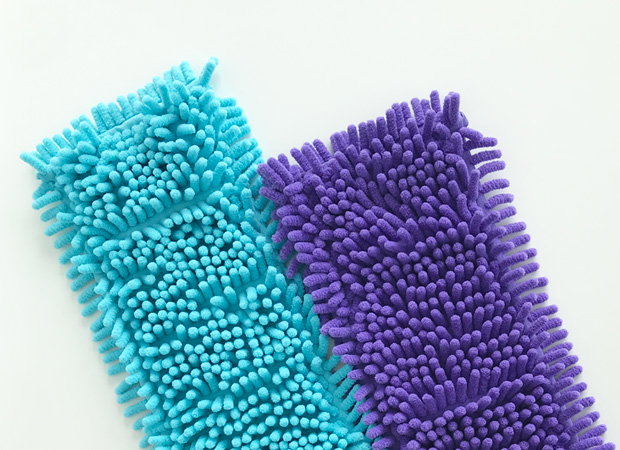
The chenille texture makes this mop head different from flat cloth options. Chenille fabric has a soft, raised surface with tiny loops that look like caterpillars. This texture creates thousands of small spaces across the mop head. These spaces trap dust, dirt, and wetness well during each sweep.
The soft surface also glides easily across floors. You feel less drag and easier control. At the same time, the thick fibers grab bits that old cotton mops just push around. The mix of recycled microfiber and chenille weave gives better soaking and dirt removal in one go.
Why Choose a Recycled Chenille Mop Head for Ultimate Cleaning?
You should have a mop that works just as hard as you do. With the Recycled Microfiber Chenille Mop Head, you see results after one swipe. Its design fixes the two biggest cleaning problems: leftover dirt and worn-out tools. This part shows why this mop head works better than normal mops in everyday cleaning.
Superior Absorption and Dirt Trapping
Old cotton mops just push water around. They leave a thin layer of wetness that dries into streaks. The chenille texture fixes this problem fully. Thousands of tiny loops make small pockets on the mop head surface. These pockets pull water and dirt inside instead of letting them slide off.
The numbers show a clear story. This mop head picks up 75% more dirt and dust each swipe than old mops. Picture cleaning a kitchen floor after a busy day. One swipe with this mop head removes crumbs, pet hair, and sticky mess that cotton mops just move around. The recycled microfiber fibers have a static charge that pulls dust like a magnet. You will see the difference right away when you rinse the mop head after cleaning.
How fast it absorbs water also matters. Floors dry faster when the mop head really soaks up water. Faster drying means less chance of slips and falls. It also means you can walk on floors sooner after cleaning. For homes with kids or older people, this safety benefit alone makes the upgrade worth it.
Built to Last and Gentle on Surfaces
Durability tells a good tool from a throwaway one. The chenille mop head has a surface that resists tearing and rubbing. Reinforced pockets stop the fabric from coming off the backing, even when you scrub hard spots. This build handles tough places like schools, hospitals, and stores without wearing out.
The low-friction design needs special notice. The mop head slides smoothly across floors without dragging or sticking. You have better control while cleaning. Your arms and back feel less strain because you do not push against resistance. This comfort benefit becomes clear during bigger cleaning jobs.
Even though it looks tough, the mop head is gentle on fragile surfaces. You can use it safely on tables, metal, plastic, and glass without worrying about scratches. The soft chenille fibers bend around tiny bumps instead of scraping against them.
Versatility makes it even more useful. This mop head works for dry dusting, damp wiping, or full wet mopping. You change your method based on the job. Dry cleaning picks up dust and pet hair. Damp cleaning handles everyday spills. Wet cleaning tackles deep dirt and sticky mess.
The maker says this mop head can be washed over 300 times. This durability means you replace your mop head much less often than old mops, saving money over time.
Each wash brings the fibers back to almost-new condition. The mop head lets go of trapped dirt easily when rinsing, keeping it clean between uses. You get professional-quality cleaning without having to buy new ones often.
The Sustainable Advantage of a Recycled Microfiber Mop Head
Reducing Waste with Recycled Materials
Every year, millions of plastic bottles end up in landfills or oceans. You can change that pattern with one simple swap. The Recycled Microfiber Chenille Mop Head uses 100% recycled material. Companies take old PET bottles, clean them, and turn them into soft, strong cleaning fibers. This process keeps plastic out of trash and gives it a new use.
This method helps a circular economy. In a circular system, items stay in use as long as possible. When you pick recycled cleaning tools, you ask for less new plastic. You also use less energy to make new polyester. The result helps both your home and the earth.
Think about the big picture. One home might swap mop heads many times each year. Old options add more trash to landfills. Recycled versions close that loop. You clean your floors while making less waste. Each swipe removes dirt and helps a greener future.
A Healthier, Cleaner Choice
Your mop should remove germs, not spread them. This chenille mop head cuts bacteria by about 95%. The tight microfiber fibers trap germs inside their weave. Rinsing lets those trapped bits go, so you do not leave bacteria on your floors.
You also need fewer strong chemicals. The scraping action of the microfiber does most of the work. You can clean well with just water or mild soap. This choice keeps your family safe from chemical leftovers. It also keeps harsh stuff out of your local water.
The cost savings add up too. You can wash this mop head over 300 times. Each wash brings back its cleaning power. That long life saves 25% proven labor costs. You spend less money on new mop heads. You also spend less time fighting tough dirt. The mix of strength and speed makes this a smart buy for any home.
Recycled Chenille vs. Traditional Mop Heads
You may wonder how the recycled chenille mop head stacks up against older options like cotton or sponge mops. The difference becomes obvious when you look at real results. Let’s compare the main points side by side.
| Feature | Recycled Microfiber Chenille Mop Head | Traditional Cotton Mop | Traditional Sponge Mop |
| Absorption rate | High – grabs 75% more dirt per swipe | Medium – leaves water film | Medium – absorbs but may drip |
| Dirt pickup | Holds 75% more dust and dirt | Moves dirt around | Traps dirt but keeps odors |
| Durability (wash cycles) | 300+ washes with little wear | 20–30 washes before fraying | 10–20 washes before tearing |
| Drying time | Fast – floors dry quickly | Slow – leaves wet streaks | Slow – sponge holds moisture |
| Environmental impact | Made from 100% recycled PET, cuts waste | Uses virgin cotton, needs lots of water | Uses synthetic materials, not biodegradable |
| Cost per use | 25% labor savings, fewer replacements | Low upfront cost, many replacements | Low upfront cost, short lifespan |
The table shows how the recycled chenille mop head beats the others in every area. You get better absorption, stronger dirt pickup, and a longer life. Old mops make you buy new ones often. Cotton mops shed fibers and leave lint behind. Sponge mops hold bacteria and smell bad after a few uses. The recycled chenille mop head stays clean and works well wash after wash.
Performance and Efficiency Showdown
You need a mop that cleans fast without wasting your time. The recycled chenille mop head does the job. Its chenille texture makes thousands of tiny loops. These loops pull dirt and water into the fibers. You cover more floor in less time because you don’t have to go over the same spot twice. Old mops often push wet dirt around. You end up with streaks and extra work. The recycled chenille mop head kills about 95% of bacteria with just water. You don’t need strong chemicals for a deep clean. This saves you money and keeps your home safer.
Drying time matters too. Wet floors cause slips and pull in dust. The recycled chenille mop head soaks up moisture well. You can walk on the floor within minutes. Cotton mops leave a thin water layer that dries slowly. Sponge mops can leave puddles. Faster drying means less risk and more ease.
Cost-Effectiveness and Environmental Impact
You save money over time with the recycled chenille mop head. It lasts through 300+ washes. That means you buy fewer replacements. The maker reports a 25% proven labor savings. You spend less time cleaning because the mop works better. You also use less water and fewer chemicals. Old mops need constant replacement. Cotton mops wear out after a few dozen washes. Sponge mops tear and get thrown away. Each replacement adds to landfill waste.
The environmental gain is big. The recycled chenille mop head uses 100% recycled PET material. You help cut plastic waste every time you mop. Cotton mops use virgin cotton that needs lots of water and pesticides. Sponge mops come from synthetic materials that don’t break down. Picking the recycled chenille mop head supports a circular economy. You get a strong cleaning tool and a smaller environmental footprint at the same time.
Getting the Most Out of Your Chenille Mop Head
You bought a great cleaning tool. Now you need to know how to keep it working well. Good care makes it last longer. Smart methods help it clean better on every floor. This section gives you simple tips for both.
Proper Care and Maintenance Tips
Your chenille mop head does well with easy care. You can wash it in a machine after each use. Use warm water and a mild soap. Do not use fabric softeners. They coat the fibers and stop them from trapping dirt. You can wash this mop head over 300 times and it still works great. Each wash brings the fibers back to almost new.
Rinse between rooms to keep your mop working well. You can rinse the mop head under running water after cleaning a dirty spot. The chenille texture lets go of trapped dirt easily. This quick step stops you from spreading grime from one room to another. You also keep better cleanliness during your cleaning job.
Air drying works best after washing. Hang the mop head or lay it flat in a spot with good airflow. Do not use high heat in a dryer. It can hurt the recycled microfiber fibers. With good care, your mop head stays soft, soaks up water well, and is ready for the next clean.
Best Practices for Different Floor Types
You can use this mop head on all smooth surfaces. Each floor type needs a slightly different method. For hardwood and laminate floors, use the damp cleaning way. Squeeze out most of the water before mopping. The low-friction design slides smoothly without leaving extra water that could hurt the wood over time.
Tile and stone floors handle wet cleaning well. You can use more water to clean stuck-on dirt in grout lines. The chenille texture reaches into small gaps and pulls out debris. For glass and metal surfaces, use the dry method. The static charge in recycled microfiber grabs dust and fingerprints without scratching delicate finishes.
High-traffic areas need professional-grade work. Schools, hospitals, and stores benefit from this mop head's long life. You can switch between dry dusting and wet mopping without changing tools. This saves time and effort in busy places. You get the same good results whether you clean a classroom, a hospital hallway, or a busy store entrance.
Remember one key rule: match your wetness level to your floor type. Dry for dust, damp for daily cleaning, and wet for deep sanitizing.
The chenille weave and recycled microfiber provide the best cleaning power. You get 75% more dirt pickup, 95% fewer bacteria, and the mop head lasts over 300 washes. Older mop types cannot match this performance or eco-friendliness. Switch to this mop head today. Your floors will shine, and your planet will thank you.
Comments