A woven scrubbing cloth supports a zero-waste lifestyle through three pillars: durability, reusability, and lower chemical use. This reusable tool replaces disposable sponges and cuts plastic pollution. You get a simple, low-effort swap for everyday cleaning. The cloth handles tough grime with water alone, so your cleaning routine becomes safer and greener.
Key Takeaways
- A woven scrubbing cloth takes the place of sponges you throw away and lowers plastic waste.
- The cloth can be used for up to 300 washes, so you buy fewer cleaning products.
- You can clean most surfaces with just water, which cuts down on the use of chemicals.
What Makes a Woven Scrubbing Cloth Zero-Waste
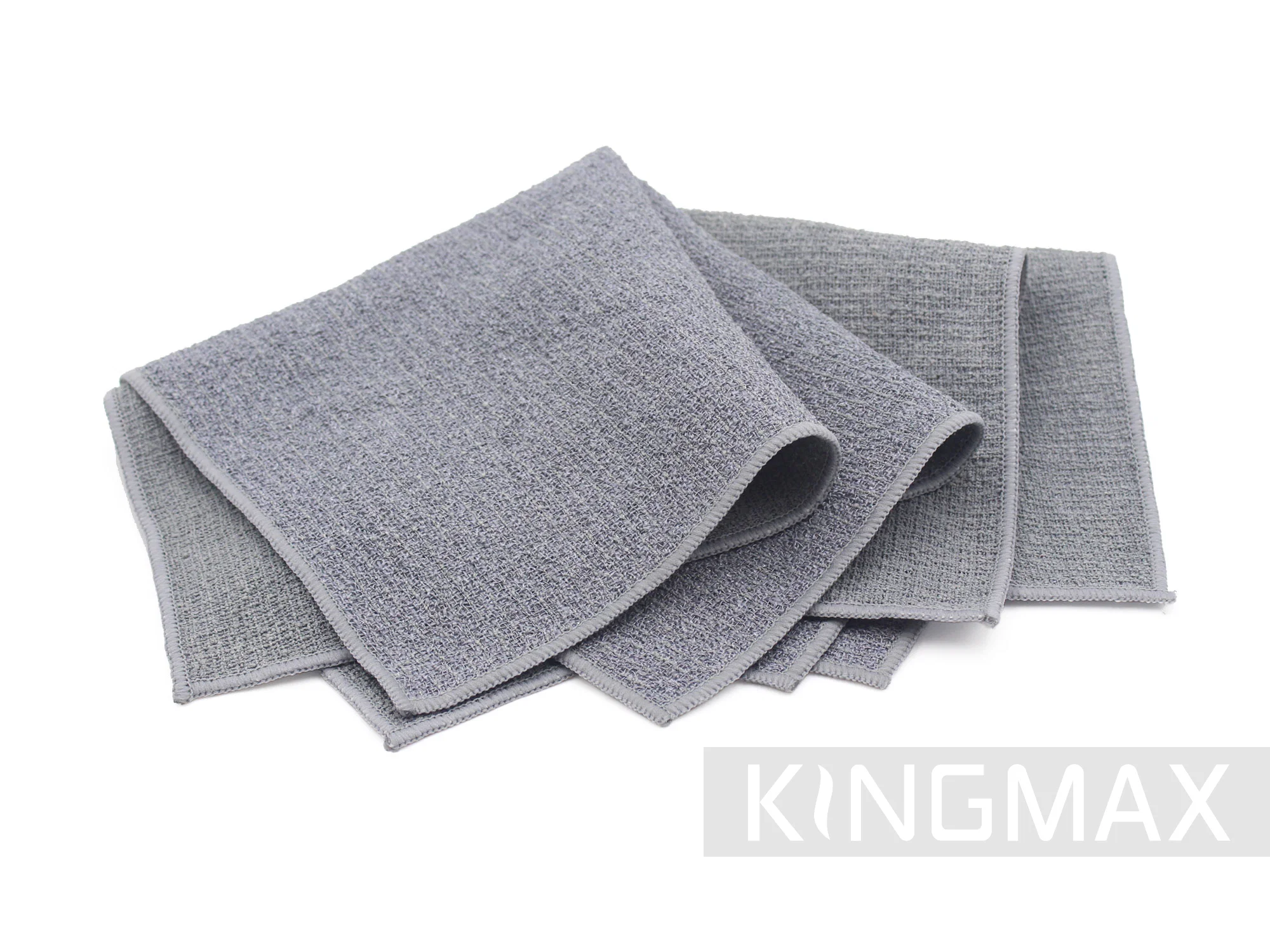
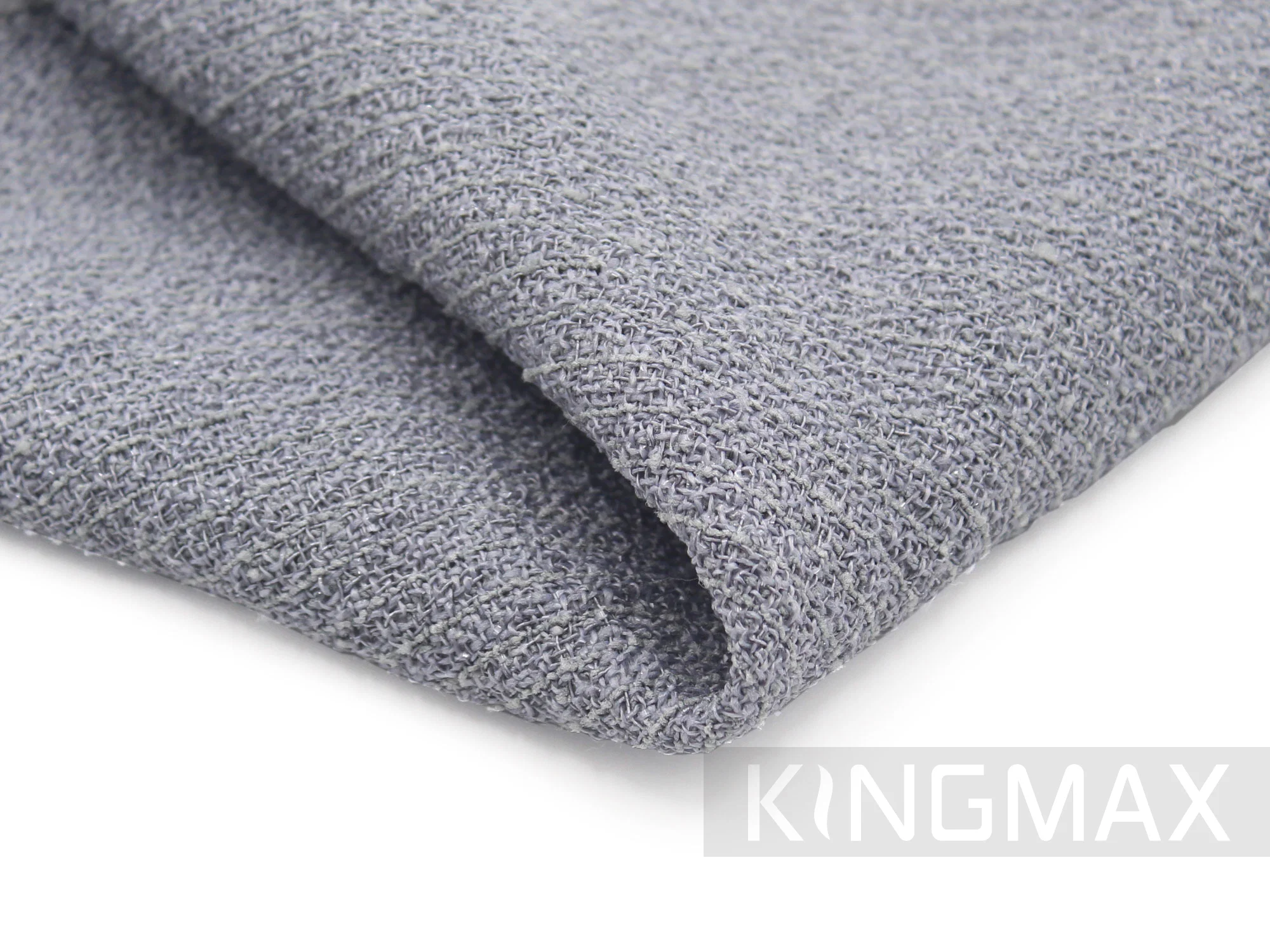
A woven scrubbing cloth gets its zero-waste label from how it is built. Makers mix microfiber fancy yarn with nylon fiber. This blend gives the fabric real scrubbing power. One side has a special textured surface. That texture lifts stains and grease from hard surfaces. Your cleaning uses water alone, so you skip chemical cleaners. The KINGMAX cloth uses 75% polyester, 15% polyamide, and 10% PP wire. It comes in a standard 40x40cm size, and you can customize it. The fabric weighs 320gsm. It lasts up to 300 machine washes. Those numbers matter: a cloth that lasts years keeps waste out of landfills. The microfiber blend also resists wear through a long cleaning routine.
Cloth Design and Scrubbing Power
The design puts two jobs into one tool. The microfiber yarn grabs fine dirt and holds it. The nylon fiber adds stiffness at the surface. The textured side then scrubs away dried food and grease. You wet the cloth, wipe, and rinse. No spray bottle is needed. This construction makes the woven scrubbing cloth a strong performer among reusable cleaning cloths. Microfiber fibers split very fine, and that structure traps particles well. Microfiber resists pilling. A long-lasting build also means you buy once instead of monthly. That single purchase replaces a steady stream of disposable pads.
Why It Fits Green Cleaning
Conventional disposable sponges work against a zero-waste goal. Consider what they leave behind:
- Most regular kitchen sponges are made from non-biodegradable, inorganic plastic materials.
- Even though they look durable, these sponges are not made for long use and usually last only a few weeks to a few months, depending on use and care.
- Over time they collect bacteria, which hurts hygiene and may pose health risks.
A cloth like this avoids all three problems. Water-only cleaning also lowers your chemical load. Testing cited by Good Housekeeping's cleaning team found that microfiber cloths lift up to 99% of bacteria from a surface using only water. The EPA's Safer Choice program sees reduced chemical use as a key strategy for healthier homes. Water-only microfiber cleaning fits that goal for routine wipe-downs. The microfiber structure captures dirt by physical means, so harsh chemicals stay on the shelf. This cleaning approach works on glass, stainless steel, countertops, and bathroom surfaces. Green cleaning becomes simple when the tool does the work. Green cleaning also means fewer bottles under your sink. You get a sustainable routine without extra products. Natural cleaning with water protects delicate surfaces too. Microfiber cloths trap dust through electrostatic attraction. Compare this cloth to cotton options, and the difference shows. Cotton absorbs well but scrubs less aggressively. A microfiber cloth keeps its texture through many washes. Rinse after use, and air dry. That long life is the heart of the zero-waste case.
Environmental Benefits and Natural Cleaning Use
A woven scrubbing cloth earns its spot in green cleaning by taking the place of things you toss out. You trade disposable sponges for one tool you wash and use again. That swap cuts plastic waste and means you buy fewer chemical cleaners. Cleaning with just water does the hard work instead.
| Environmental Benefit | How Reusable Woven Cloths Deliver It |
| Less trash in landfills | You wash and reuse the cloth many times, so you buy fewer new ones. |
| No microplastic pollution | Natural materials do not shed plastic bits while you scrub. |
| Breaks down naturally | Cloths made of cotton or cellulose break down when you are done with them. |
| Less single-use plastic | A reusable cloth means you rely less on plastic sponges you throw away. |
Dishcloths you can reuse, that last, and that clean well cut down on single-use plastics. They also give you a clean, healthy way to clean your home — a greener choice than sponges you throw away.
Is Microfiber Bad for the Environment
You might ask if microfiber belongs in a green routine. The honest answer: it depends on how long you keep it. This cloth lasts up to 300 washes. That long life makes up for worries about synthetic fiber. One cloth replaces hundreds of disposable pads over its life. Microfiber in cleaning cloths also grabs dust through static cling. Polyester fibers carry a positive charge, and they pull in dust and grease with a negative charge. Split fibers make tiny channels that soak up liquid, and the cloth holds up to seven times its weight. Because of that, you clean with water alone. One drawback is worth noting: most curbside programs do not recycle microfiber. Good care and a long life are the best answer to that limit. If you like plant-based choices, you can reuse cotton cloth for lighter jobs. Cotton breaks down naturally, but it scrubs less hard than this textured weave.
Everyday Use and Care for Longevity
Good habits make your cloth last longer and help with zero-waste laundry. Follow these steps:
- Rinse the cloth after each use to wash out trapped dirt.
- Machine wash it with your regular load.
- Air dry it all the way before the next job.
Skip harsh bleach, and the fibers stay whole. Store the cloth dry to cut down on smell. These habits keep your microfiber cloths ready for daily work.
Kitchen and Bathroom Tasks
This cloth works great on countertops, metal, plastic, glass, and other hard surfaces. You get lint-free, streak-free results with plain water. Wipe the bathroom sink, then rinse and hang the cloth. The same tool handles kitchen grease and dried food. Fewer bottles, less plastic pollution, and one cloth that lasts: that is natural cleaning made simple.
Better Alternatives to Microfiber for Natural Cleaning
You have many choices for green cleaning. This woven scrubbing cloth stands out as one of the better alternatives to microfiber for natural cleaning when durability and reduced chemical use matter. Compare your options below.
Woven Cloth vs. Disposable Sponges
Disposable sponges make waste again and again. You throw them out every few weeks, and they add to plastic pollution. This cloth can be used over and over and lasts up to 300 washes. That long life cuts trash and saves money over time. Sponges also trap bacteria and often need chemical cleaners to stay fresh. Your cloth scrubs with water alone. You use fewer chemicals and keep your home safer during every cleaning task. The sustainable choice is clear: one cloth replaces many sponges over its life.
Woven Cloth vs. Other Reusables
Cotton cloths offer a natural cleaning option. Cotton breaks down naturally and is made from natural materials. Yet cotton scrubs less hard than this textured weave. Microfiber cloths grab dust through static cling and soak up up to seven times their weight in liquid. These microfiber towels clean glass and metal without streaks. Compare microfiber cloths to cotton, and microfiber wins on scrubbing power. Compare microfiber cloths to paper towels, and microfiber wins on waste. You get a cleaning tool that lasts through repeated cleaning jobs. Rinse your microfiber cloths after use and air dry them fully. Proper care keeps microfiber cloths ready for daily cleaning. This way of cleaning cuts plastic pollution and chemical use. Choose microfiber for tough cleaning jobs and cotton for light dusting. Both support natural cleaning alternatives in your home. This simple swap supports your zero-waste goals.
This woven scrubbing cloth earns its spot in a low-waste life. It lasts hundreds of washes, takes the place of disposable sponges, and cleans with water alone. One lasting swap cuts trash and chemical use again and again. Start zero waste habits today: try the cloth, rinse it after each use, and air dry it. These zero waste solutions make cleaning easier.
Comments