The hi-density weft-knit twisted cloth is usually better than traditional microfiber towels at soaking up water, lasting longer, and giving long-term value. These towels are different in how they are made, how fast they dry, how long they last, how to care for them, and their cost. A towel's construction shapes its performance. Buyers should think about these things before picking between the two types.
Key Takeaways
- Hi-density weft-knit twisted cloth soaks up more water and dries surfaces faster than regular microfiber towels.
- Hi-density weft-knit twisted cloth lasts longer and saves you money in the long run, while regular towels need to be replaced often.
- Choose hi-density weft-knit twisted cloth for tough everyday jobs. Regular microfiber towels work well for light cleaning.
Material and Construction of Each Towel
How Hi-Density Weft-Knit Twisted Cloth Is Built
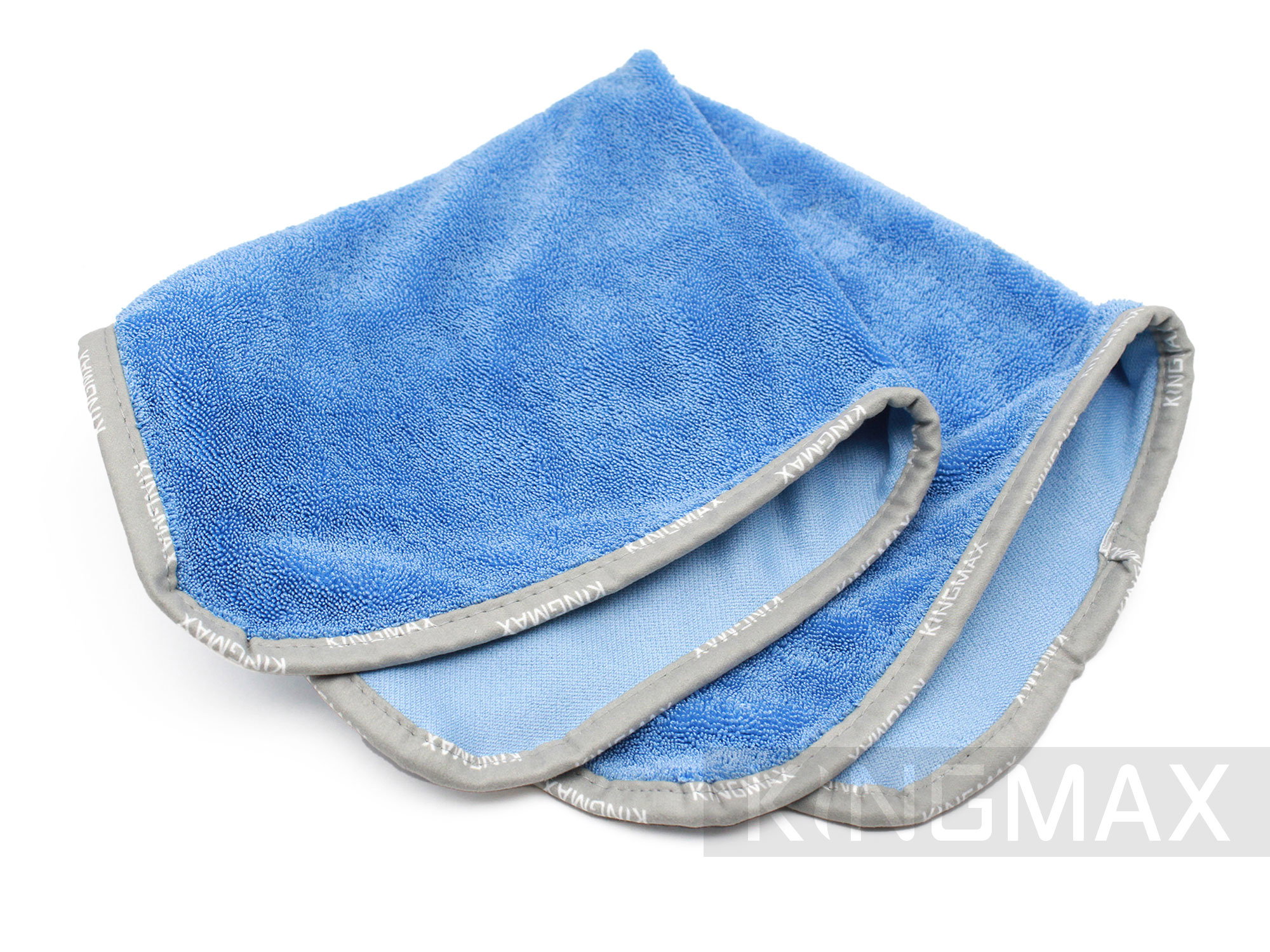
This hi-density weft-knit twisted cloth combines 80% polyester with 20% polyamide fibers. The construction relies on high-density twisted terry loops that create a plush surface. Weft density plays a central role here. Higher weft density packs more loops into each inch of fabric. This weft density directly boosts water absorbency and dirt pickup. The weft-knit method adds stretch and flexibility. A dual-layer design provides two functional surfaces. One side handles heavy dirt removal. The other side works for gentle drying and finishing touches. This fabric construction improves comfort properties of terry towels. The twisted loops increase softness against delicate surfaces. Thread density of the towel is higher than standard options. This thread density gives the towel a fuller feel. The knitting process creates a stable shape that resists flattening. The towel weaves focus on maximum performance.
How Traditional Microfiber Towels Are Built
Traditional microfiber towels use a split-fiber construction method. Manufacturers split each filament into wedge-shaped segments. These segments have sharp edges that scrape particles from surfaces. They also create capillary channels for liquid absorption. Water-jet splitting uses high-pressure water at 50 to 200 bar. Needle-punch uses barbed needles. Chemical and thermal methods exist as well. Splitting a filament into 16 segments yields roughly 4 times the surface area. This larger area enhances water absorbency.
However, traditional towels remain single-layer with less structured loop patterns. They lack the weft density of the twisted terry design. Poor splitting creates weak points where fibers break and shed. Higher polyamide content reduces breakage. Higher fabric density minimizes loose fibers. Tight towel weaves prevent fraying at the edges. The comfort properties are lower compared to the hi-density option. Performance properties in woven terry towels improve with twisted loops.Among types of towel fabric, the hi-density design stands out. Woven terry towels and cotton terry towels offer different characteristics. Woven towels use different methods from knitted ones. The comfort and softness of this towel are notable. Its performance in absorbing water is excellent. The twist in the fibers adds longevity.
Absorbency and Drying Performance
Which Towel Absorbs More Liquid
The hi-density weft-knit twisted cloth can hold up to seven times its weight in liquid. Its twisted loops are the reason for this amazing water absorbency. These loops help it take in water and pick up dirt at the same time. The twist in each fiber gives liquid more surface area to stick to. Higher weft density means there are more loops in every square inch. This weft density directly makes water absorbency stronger. The fabric density also affects how much liquid the towel can hold. A denser towel keeps more moisture trapped inside its structure. The thread density adds even more absorbing power. Moisture absorption happens fast because liquid moves along the twisted fibers. The comfort properties of this towel stay great even when it is wet. Softness does not go away as the towel soaks up water. Users notice strong water absorbency on paint and hard surfaces. The towel gives lint-free and streak-free results every time. Its absorbency performance stays the same across many uses. The comfort of holding this towel stays high during long detailing jobs.
Traditional microfiber towels absorb well but usually hold less liquid per gram. Their water absorbency cannot match the twisted loop design. These towels can leave streaks when they get too wet. Their absorbency drops as they fill up with liquid. Moisture absorption slows down once the fibers are full. The comfort properties are lower compared to the hi-density option. Softness may go down after repeated use. Their performance in water absorption is good but not outstanding. Woven terry towels and woven towels offer different absorbency levels. The twist in the hi-density towel gives it an advantage. Absorbing moisture by direct contact works faster with twisted loops. The towel beats standard options in water absorbency tests. Its absorbency stays reliable on different surfaces. The comfort and performance of this towel make it stand out.
Which Towel Dries Surfaces Faster
The hi-density weft-knit twisted cloth dries surfaces faster than traditional options. Its water absorbency pulls liquid away quickly. The towel moves across paint and hard surfaces without leaving streaks. Higher weft density creates more contact points for drying. This density helps the towel pick up every drop. The absorbency of this towel works on curved and contoured surfaces. Its flexibility allows full contact during drying. The comfort of the towel makes long drying sessions easier. Softness against delicate paint prevents scratches. The towel gives strong performance on glass, metal, and plastic. Its absorbency leaves surfaces completely dry. The twist in the fibers speeds up the drying process. Users report excellent water absorbency on every pass. The towel works well for both heavy drying and finishing touches. Its density makes sure no spot gets missed. The comfort properties support extended use without tiredness.
Traditional microfiber towels dry surfaces at a slower pace. Their absorbency gets weaker as they become saturated. Users often need multiple towels to finish one job. The water absorbency of these towels changes across brands. Their performance drops when they hold too much liquid. The comfort of standard towels is okay for light tasks. Softness is adequate but not premium. Their density cannot match the hi-density design. The towel may leave streaks on dark paint. Its absorbency requires more passes to dry a surface. The twist in traditional fibers is less noticeable. Woven towels and woven terry towels act differently during drying. The towel works for basic tasks but not heavy detailing. Its absorbency is enough for occasional use. The comfort properties are lower than the premium option.
Durability and Longevity of Each Towel
How Each Towel Holds Up Over Time
The hi-density weft-knit twisted cloth keeps its shape and works well after hundreds of machine washes. The fabric build gives this tool lasting strength during hard use. Weft density stays the same after each wash. The twisted loops do not flatten from washing. The twist in the fibers keeps the original shape. This terry towel performance means it dries well for months. The weave density stops the towel from losing its soft feel. Users notice the comfort stays high even after many washes. The softness of this cloth does not go away over time. Water absorbency stays strong because loops keep their shape. This towel works far better than standard options. The comfort allows hard daily work in a shop. The towel thread density stops the edges from fraying. The density keeps the cloth looking new for many uses. Woven terry towels with lower density wear out faster and work worse. The overall performance makes this a good long-term buy. Drying and cleaning results stay the same. These features do not change with age or washing. Users feel the same plush texture for years.
Traditional options pill and shed after fewer washes. Quality drops after repeated use. Users see absorbency go down as fibers break apart. The comfort of this type feels thin and rough. Softness disappears when the nap flattens. The fabric structure becomes uneven across the surface. This uneven structure creates weak spots that tear easily. This material hurts delicate paint surfaces. Woven towels with tight weave last longer. The overall performance needs early replacement. Users replace these towels several times each year.
Signs of Wear to Watch For
Users should watch for signs of wear in both types. The cloth shows wear very slowly. Flat spots in twisted loops mean it is time to replace it. Less water absorbency shows the fabric is getting old. Performance drops when the loops no longer stand up. These features go down when the plush feeling goes away. Loose threads at edges mean the structure is failing. Performance goes down when it cannot hold liquid well. The fabric structure changes as it wears down. Users see the twist loosen in damaged areas. Weft density may look less packed in worn sections.Traditional versions show wear more quickly. Pilling on the surface shows clear damage. Shedding fibers means the product is breaking down. Loss of softness and comfort happens early. Performance fails when fibers cannot trap dirt. Streaking on painted surfaces means the fabric is worn. The towel thread density goes down with fiber loss. The overall performance drops to a level where it cannot be used. Users must replace these products much sooner. The comfort of older versions feels rough and thin. The structure across the fabric becomes uneven and weak. These signs help users know when to buy new items. Users can avoid surface damage during detailing.
Cleaning and Maintenance
Washing and Drying Each Towel Type
You can wash both the hi-density weft-knit twisted cloth and regular microfiber towels in a machine. Use a standard washing machine with mild detergent. The hi-density weft-knit twisted cloth is safe for paint and all hard surfaces. Its density holds up well in the wash. The towel keeps its shape after many cycles. Wash these towels separately from fabrics that make lint. A gentle cycle with warm water works best. Tumble drying on low heat protects the fabric structure. The towel dries fast because its density lets air move through the loops. This quick drying helps keep water absorbency strong over time. The comfort of the towel stays high after each wash. Softness remains because the twisted loops do not mat down. The thread density stays the same, which supports long-term performance. If you follow these steps, you protect your investment.
Traditional towels need similar care. They also go in the washing machine. But their performance drops faster without proper drying. Dry them on low heat to prevent fiber damage. The towel may lose softness if you dry it on high heat. Moisture absorption weakens when fibers break down. Woven towels and woven terry towels often need gentler handling. The comfort of standard towels fades sooner without careful washing.
Common Care Mistakes to Avoid
Fabric softener is the biggest mistake for both types. Softener coats the fibers and clogs the spaces that trap liquid. This clogging destroys absorbency in any towel. Never use softener on these products. High heat is another common error. Hot water and hot dryers damage the fibers. Heat reduces the density of the loops over time. It also hurts the comfort and softness of the fabric. Bleach is too harsh for microfiber products. Skip bleach entirely. These towels need only mild detergent and warm water.The hi-density weft-knit twisted cloth keeps its performance after repeated washing. This durability means you replace it less often. You save money over time. The towel keeps its density and absorbency through hundreds of washes. Its comfort and softness do not fade. With proper care, this towel lasts for years. Traditional towels need more frequent replacement when you make these mistakes. The towel loses its performance faster. Follow the same care rules for both types. Good habits protect every towel in the cabinet.
Cost and Overall Value
Upfront Price Comparison
The hi-density weft-knit twisted cloth costs more when you buy it. Its special materials and build make the price higher. More weft density means more fiber in every square inch. The twisted loops make the manufacturing process harder. This density gives the towel better water absorbency. The comfort of this towel feels great from the first use. Traditional towels have a lower upfront price. Their simpler split-fiber design costs less to make. Buyers see a smaller number at checkout. Custom options from suppliers like KINGMAX change pricing. Changes in GSM, size, and structure flexibility change the cost. A higher GSM raises the density and the price. Bigger towels cost more per unit. Different loop structures change the final number. The upfront price shows the long-term value built into the towel.
Cost Per Use Over Time
The hi-density weft-knit twisted cloth gives you a lower cost per use over time. Its durability spreads the higher purchase price across hundreds of uses. The towel keeps its performance through many wash cycles. This performance does not drop with regular use. Comfort and softness do not fade with age. The comfort of this towel lasts for years. Water absorbency stays strong through repeated use. This steady quality means you do not need to replace it often. The density protects its shape and structure. Traditional towels need to be replaced more often. Their performance drops after fewer cycles of use. The cost per use goes up with each new purchase. Buyers replace these towels several times per year. The initial savings disappear with repeated spending. The hi-density option proves more economical for regular use. Its higher upfront cost becomes a wise investment. The comfort and performance justify the price point.
The hi-density weft-knit twisted cloth is better at soaking up water, lasting a long time, and giving good value. Traditional microfiber towels are still a cheaper choice.
The hi-density towel has greater density and keeps working well over time. This density helps it perform at a steady level. For heavy daily work, pick the hi-density option. For light jobs, the standard type does the job fine.
Comments