For final polishing and paint finishing, a double polish towel is the better choice. Its thick, high-GSM fabric and two-sided design lower scratch risk and lift residue cleanly. Regular microfiber towels work great for everyday cleaning. But sewn edges or a rough weave can harm paint.
This guide helps you decide when to spend more on a specialty towel for automotive detailing. You will also learn when a regular microfiber towel handles drying and polishing just fine.
Key Takeaways
- Use a double polish towel for polishing and drying paint. It has a thick, soft fabric that prevents scratches and leaves a clean finish.
- Save regular microfiber towels for general cleaning like wheels and interiors. They work well for tough jobs and cost less.
- Always check the towel's GSM, fiber blend, and edge design. Proper care makes your towels last longer and saves you money.
Double Polish Towel vs Regular Microfiber Towels
Double Polish Towel Construction and GSM
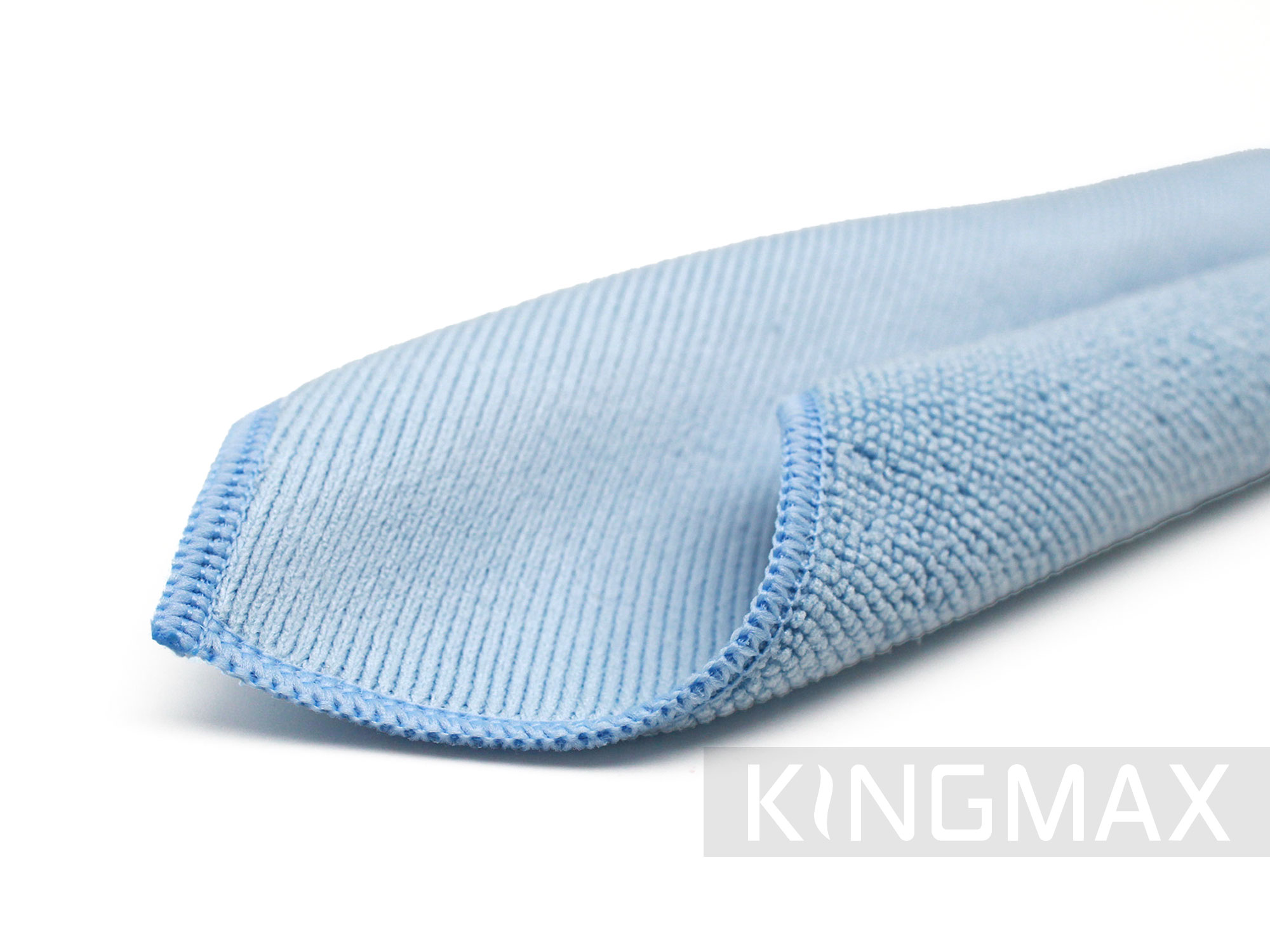
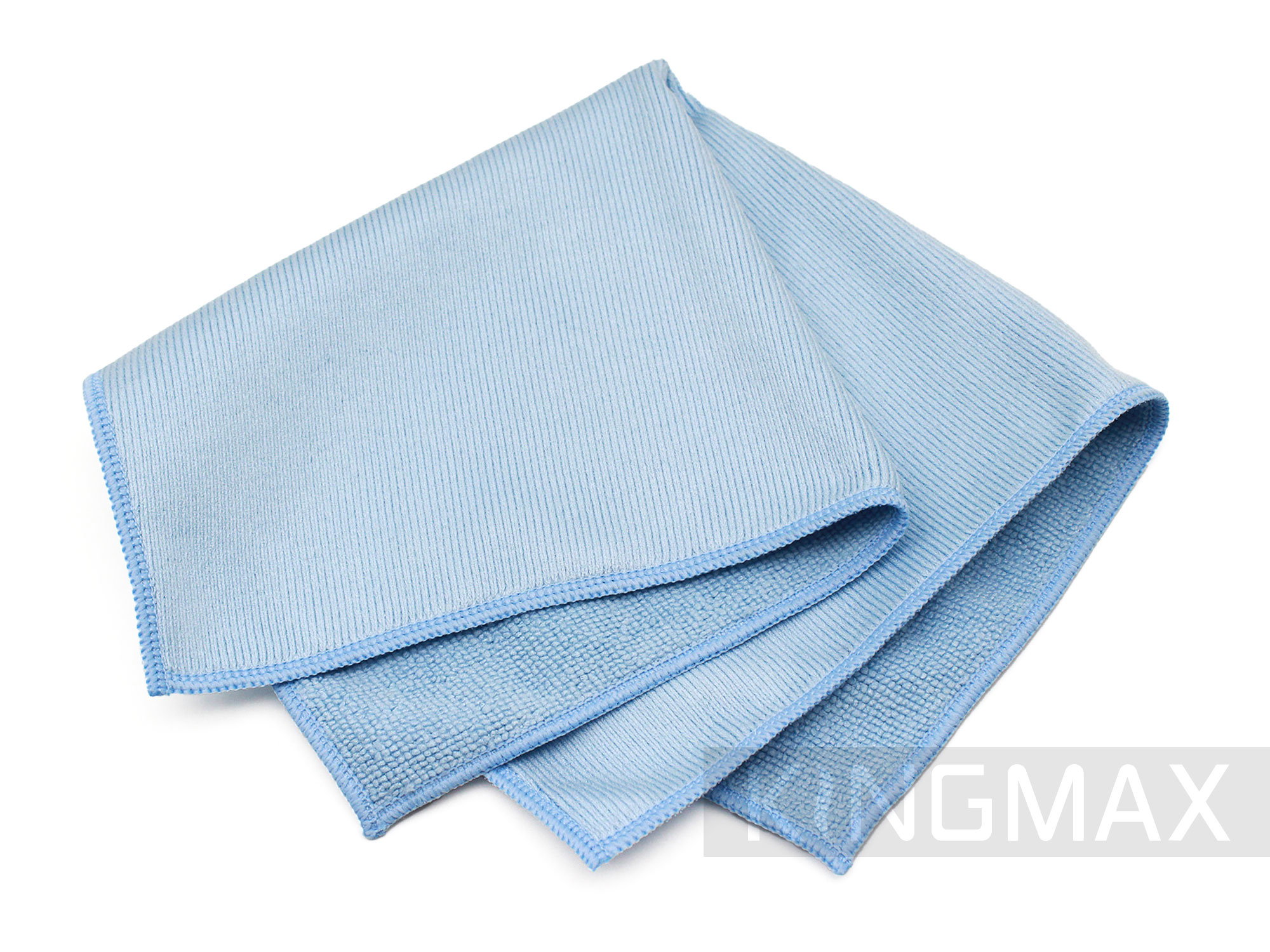
The KINGMAX Double Polish Towel is the standard to beat here. It is made from 80% polyester and 20% polyamide at 600 GSM. That means the fabric is very dense. The double-layer design gives you two surfaces in one towel. One side is a 400 GSM twisted-loop fabric. It pulls water deep into the base of the towel. The other side is a special glass fabric for windows, glass, and metal.
This build matters for polishing. A plush, high-GSM towel lifts compound and residue off the surface. It traps that residue inside the fibers instead of dragging it across your paint. The electrostatic absorption also pulls in dust and dirt. You get a lint-free, streak-free finish every time.
How Standard Microfiber Differs
Regular microfiber towels differ a lot in grades and quality of microfiber. A general-purpose towel often falls in the 200–300 GSM range. Balanced everyday towels land around 300–400 GSM. Blends run 70/30, 80/20, or 85/15. The 80/20 mix is common for general detailing.Edge design is the bigger difference. Standard towels come with edgeless, silk-banded, stitched, or laser-cut edges. Low-cost bulk towels often have stiff stitched nylon tags or heat-seared edges. Those edges are sharp enough to scratch clear coat and piano black trim. Standard sewn edges are a bit stiffer than the towel face. They can scratch clear coat if they touch the paint. Cheap towels can have hard, scratchy nylon border stitching. That stitching will scratch delicate clear coat just as badly as a regular cotton towel.
Here is a quick side-by-side look:
| Attribute | Double Polish Towel | Standard Microfiber Towel |
| GSM | 600 GSM | 200–400 GSM typical |
| Blend | 80% polyester / 20% polyamide | 70/30, 80/20, or 85/15 |
| Build | Double-layer, dual-action | Single-layer |
| Edge | Edgeless plush face | Stitched, sewn, or heat-seared |
A quality towel for paint work needs a soft, edgeless face. Premium microfiber towels earn that label through density and edge finishing. A cotton towel or a cheap microfiber cloth cannot match that safety level. When you polish paint, the edge is what touches first. That is why the double polish towel wins on delicate surfaces.
Polishing Performance and Paint Safety
Polishing with a Double Polish Towel
Polishing is the step where your paint is most vulnerable. You are working a liquid abrasive across the surface. Every pass either refines the finish or adds damage. A double polish towel gives you the soft, plush face this job demands.
The 600 GSM build matters here. That dense pile holds compound, polish, or wax residue inside the fabric instead of smearing it around. The towel lifts the residue away from the surface. It does not drag it back across your vehicle paint.
The dual-sided design separates the work into two stages. You can use one side to remove the bulk of the residue. Then you flip to the other side for the final buff. Here is how the design works in practice:
"Its dual-pile design gives you a plush side for buffing and a shorter side for grabbing stubborn polish, wax, and sealant residue."
That two-stage approach keeps your final pass clean. The electrostatic absorption also pulls in dust and dirt that settle on the panel. You get a lint-free, streak-free result without extra wiping. For anyone serious about paint protection, this is the towel you reach for at the end of a correction job.
Scratch Risk with Standard Microfiber
Standard microfiber towels can scratch paint. The risk comes from two things: the edge and the weave. Many bulk towels have stitched or heat-seared borders. Those edges are stiffer than the towel face. When an edge touches your automotive paint, it can leave a mark. Cheap towels with hard nylon stitching are the worst offenders.
The weave matters too. A low-GSM towel has less cushion between the fabric and the surface. Trapped grit sits closer to the paint. Every wipe pushes that grit against the clear coat. Over time, you build up fine scratches that dull the finish.
Premium microfiber towels solve this with a soft, edgeless face and a dense pile. The extra thickness gives grit a place to hide. It also gives you more surface area to absorb residue. That is why detailing pros keep separate microfiber towels for paint and for everything else. You should do the same. Use your double polish towel for polishing and drying on paint. Save the regular towels for wheels, door jambs, and interiors. This simple habit protects your finish and extends the life of both towels.
Drying Performance: Microfiber Drying Towels for Cars
Absorbency of Microfiber Drying Towels
The KINGMAX Double Polish Towel also works as a car drying towel, not just a cloth for finishing. Its 400 GSM twisted-loop side soaks up water quickly. Those long, twist-loop fibers give you more surface area. This means the towel grabs more water each pass and shortens your drying time.
Twisted-loop weaves soak up the most water — about 800 to 1200 mL. Waffle weave towels soak up less, around 400 to 600 mL. So the twisted-loop side takes care of heavy water removal on hoods, roofs, and door panels. It slides across paint with less pressure, which keeps your safe drying process gentle. The towel pulls water into the fibers instead of pushing it around. You get no streaks and no water spots.
| Construction Type | Water Pickup Rate | Glass Performance | Paint Safety | Best Application |
| Twisted-Loop | Highest (800-1200 mL) | Moderate lint | Excellent glide | Primary panel drying |
| Waffle Weave | Lower (400-600 mL) | Streak-free finish | Good when clean | Glass and final passes |
A good microfiber drying towel beats an old bath towel every time. Regular microfiber towels can dry a car too. But a quality drying towel with twisted-loop fibers gives you faster water absorption. That is why premium microfiber drying towels matter for large panels. A second car drying towel stays nearby for the other side of the vehicle.
Glass and Metal Care with Microfiber
Flip the towel over and you get a glass fabric side. This side cleans windows, glass, and metal with precision. A tight weave lifts smudges and oily films. The softer nap buffs chrome and glass to a lint-free shine. Together, the two sides make this one of the best microfiber drying towels for cars.
For glass, wipe edge to edge in one direction. Circular motions can leave streaks. A single light mist of glass cleaner helps. These premium microfiber drying towels keep your windows clear. This premium microfiber towels approach also protects trim and metal from scratches. Keep a separate set of microfiber towels for glass and metal. That habit protects your paint and extends towel life. A proper microfiber drying towel and a set of car drying towels cover every job.
Durability, Care, and Cost
Washing and Lifespan
A good towel can last for years if you take care of it. The KINGMAX Double Polish Towel has Grade 4 color fastness to chlorine bleaching. This means the color does not fade much, even after you wash it many times. You can machine wash it and use it again for hundreds of cycles.
Follow a few easy rules to keep your microfiber towels in good shape. Wash them in water below 104°F (40°C). Use a gentle liquid soap without fabric softeners, bleach, or dryer sheets. These products coat the fibers and ruin absorbency. Put no more than 8-10 towels in each load so they get proper agitation and rinsing. Wash them apart from cotton items to avoid lint contamination. For drying, air dry them to keep the fibers in the best condition. You can also tumble dry on low heat for no more than 20 minutes. Avoid powders that do not fully dissolve. Those bits get stuck between fibers and lower performance.
Cost per Use vs Regular Towels
A double polish towel costs more at first than a cheap pack. The math changes over time. One towel that lasts through hundreds of wash cycles beats a cheap pack that loses absorbency after a few uses. You replace regular towels much more often. That adds up quickly.
Think about what you protect. A cheap cotton towel or a worn microfiber cloth can scratch your paint. Fixing that damage costs far more than the towel itself. The double polish towel also does two jobs. It handles water removal and glass cleaning in one pass. That saves you money on separate products. KINGMAX also offers OEM customization for fabric, color, size, logo, or trims. You get a towel built to your spec at a price that works for your business.
How to Choose the Right Microfiber Towels
Match the towel to the task. That is the main rule. A dedicated towel protects your paint. A regular cloth handles dirty work. With both types, you get safety and value.
For Polishing and Drying
For paint finishing and water removal, choose a double polish towel. Its dense pile lifts compound and polish residue without scratching. The ideal GSM for this work is around 300-500. For drying, go higher, about 600-1200. That density soaks up water fast and leaves a streak-free finish.
Fiber blend matters too. An 80% polyester / 20% polyamide blend is soft and safe for paint. Some detailers prefer 70/30 for final buffing. More polyamide means more softness. Edge design also affects safety. Edgeless designs glide over the surface. Stitched borders can leave marks. Check seams before you wipe.
For drying, twisted-loop fibers absorb water quickly. The plush pile holds moisture deep inside. Use the glass side for windows and metal. You get a clean finish without extra passes. This makes your microfiber towel work double duty.
For General Cleaning and Heavy-Duty Work
Do not waste your best towels on wheels. Regular microfiber towels are made for tough jobs. A 300 GSM utility towel handles interiors, metal, and plastic trim. It is tough enough for rough surfaces. For delicate panels, use a 300 GSM towel. It is safe for leather and screens.
Heavy-duty glass towels scrub bug guts and sap. Low-quality bulk towels work for door jambs and oil checks. This is where a cotton towel can fail. You do not need premium microfiber towels for heavy-duty work. Save them for paint and glass.
Use a double polish towel on paint and other delicate surfaces. Save regular microfiber towels for general cleaning, drying, and heavy-duty jobs. Think about building a towel kit, not picking one winner. Having both types gives you the best mix of safety, versatility, and value.
Before you buy, check the GSM, fiber blend, and edge design. Then follow the right washing steps to make it last longer.
Comments