Microfiber jacquard terry towels are a key cleaning trend in 2026. High absorbency, strong jacquard construction, lint-free results, and fit for regulated spaces drive their adoption. These towels soak up up to seven times their weight. This microfiber type gets attention for practical reasons. Buyers now weigh four factors: technical performance, application fit, regulatory compliance, and cost.
Key Takeaways
- Microfiber jacquard terry towels soak up as much as seven times their own weight and dry fast, so cleaning goes quicker and gets better results.
- These towels hold up through hundreds of washes and work well in homes, offices, hotels, and healthcare settings.
- Buyers should check certifications and compare the cost per use, not just the purchase price, to get the best value.
Technical Performance of Microfiber Jacquard Terry Towel
Absorbency and Quick-Drying Behavior
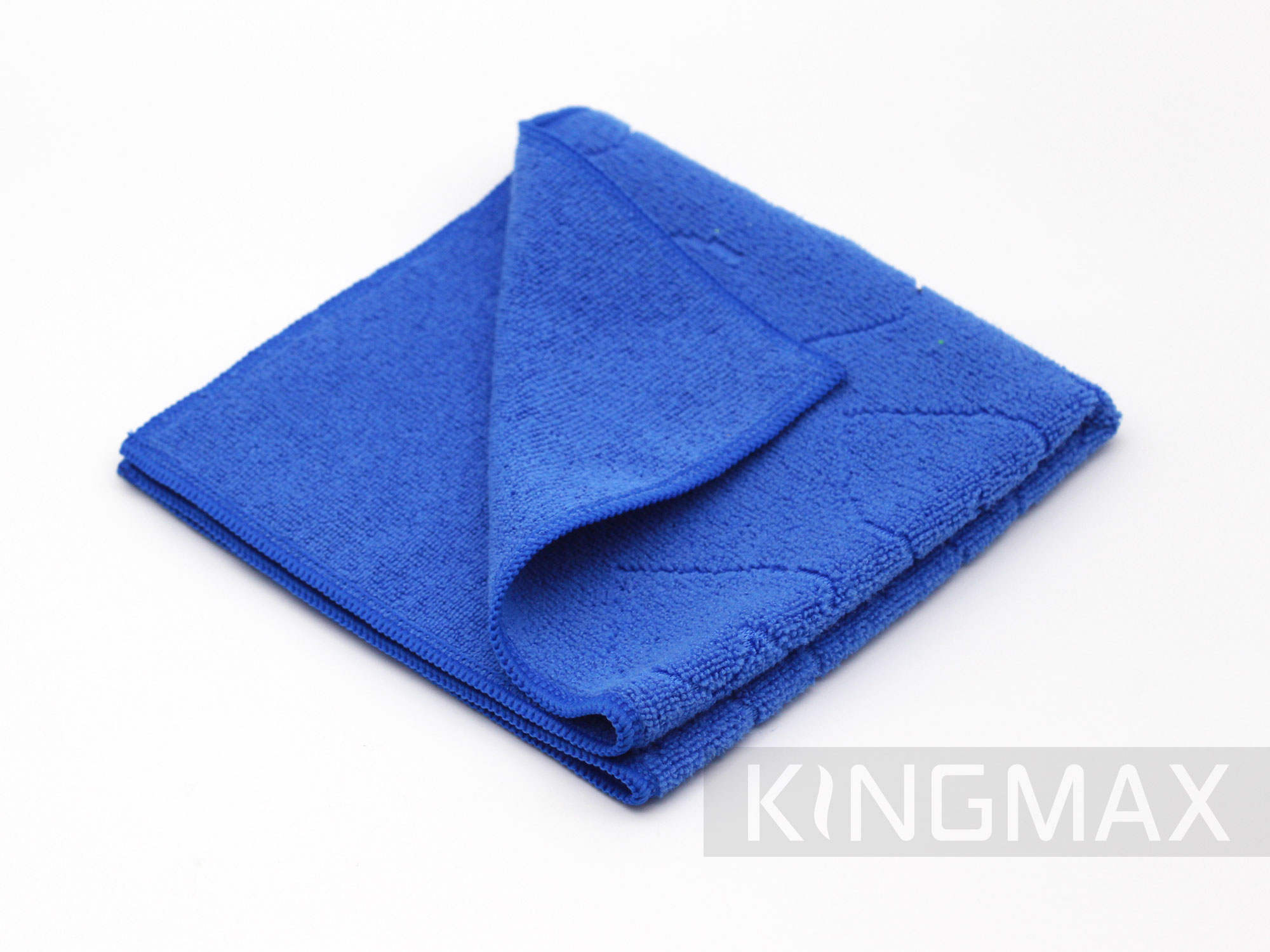
The microfiber jacquard terry towel is made from a blend of 80% polyester and 20% polyamide. This ratio is important. Polyester makes up most of the fiber structure. Polyamide adds strength and helps the towel pick up liquids better. Together, the two fibers create a microfiber blend with strong capillary action. The towel pulls water, oil, and other liquids into its core. It can absorb up to seven times its own weight. That number applies to water and to oil-based spills alike.
Users notice the difference on wet surfaces. A regular cotton cloth often pushes liquid around before it soaks in. This ultra-absorbent towel grabs the liquid on first contact. The result is a soft, highly absorbent tool that works fast. Quick drying follows the same design idea. Thin microfiber filaments release moisture quickly between uses. A quick-dry towel stays ready for the next task. This quick-drying behavior helps daily rotation in busy facilities. Staff can rinse, wring, and reuse the same towel within a short window.
Jacquard Structure and Durability
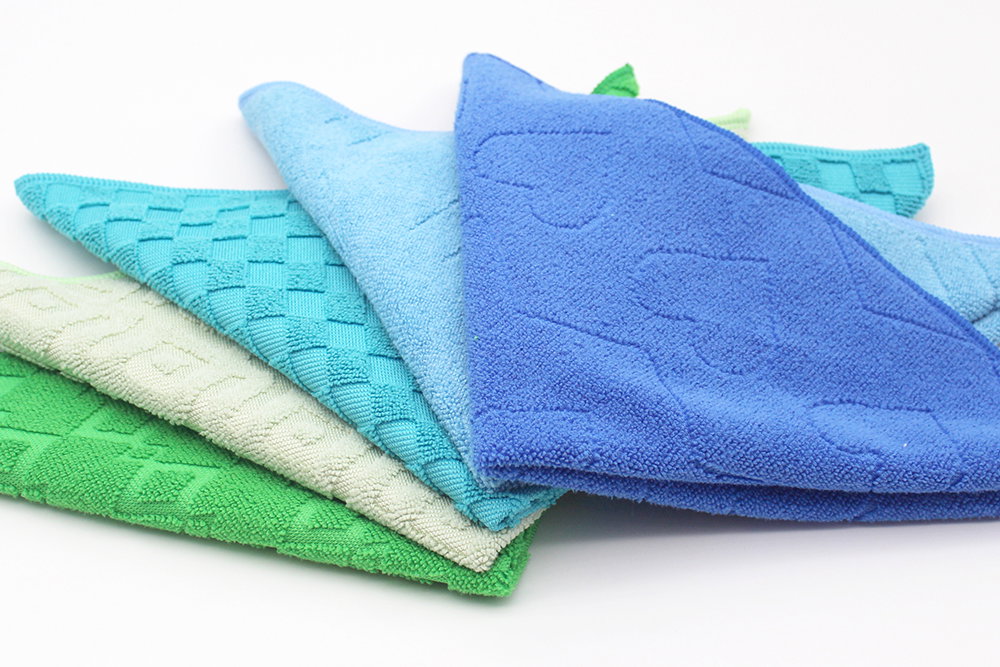
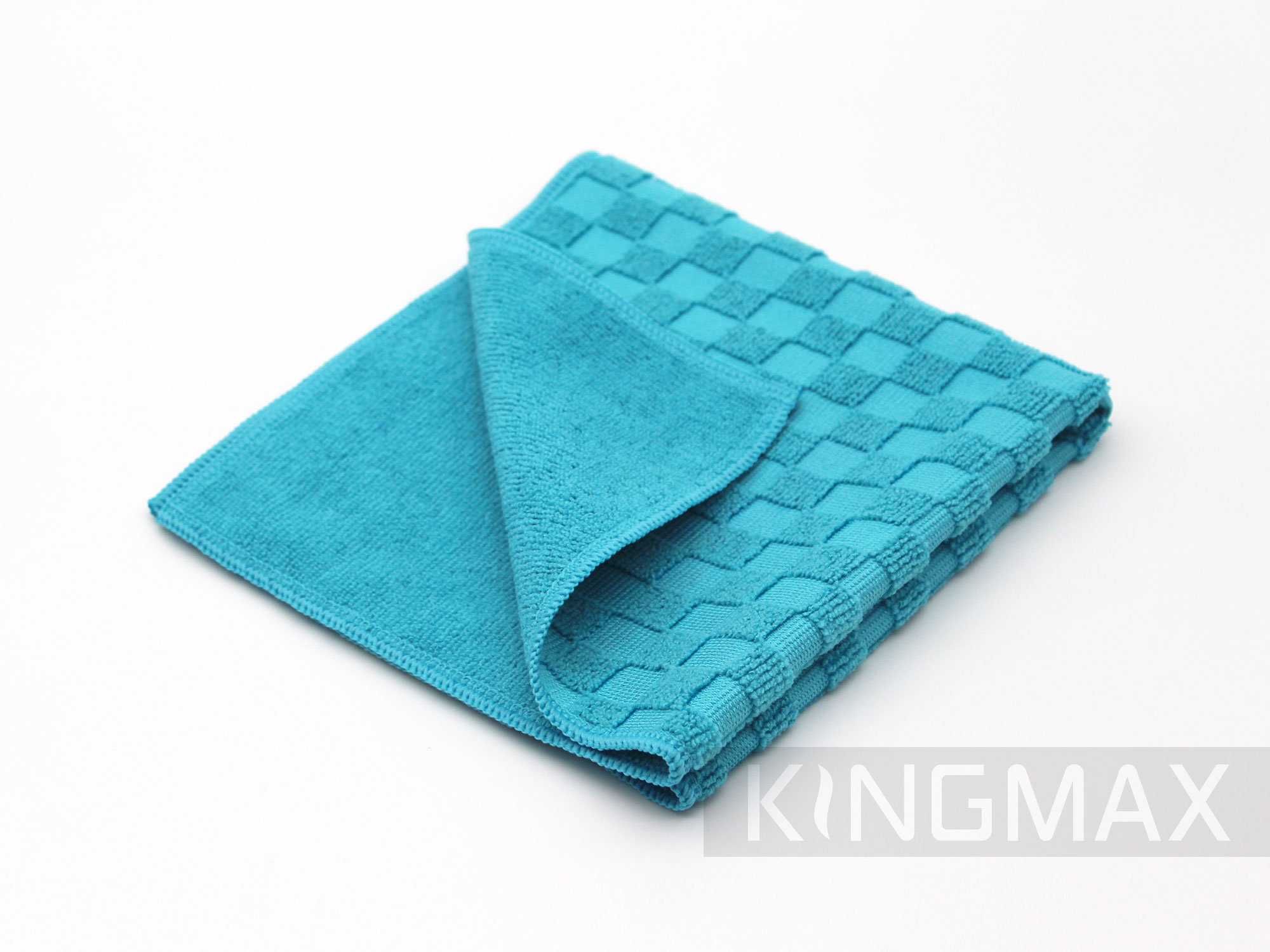
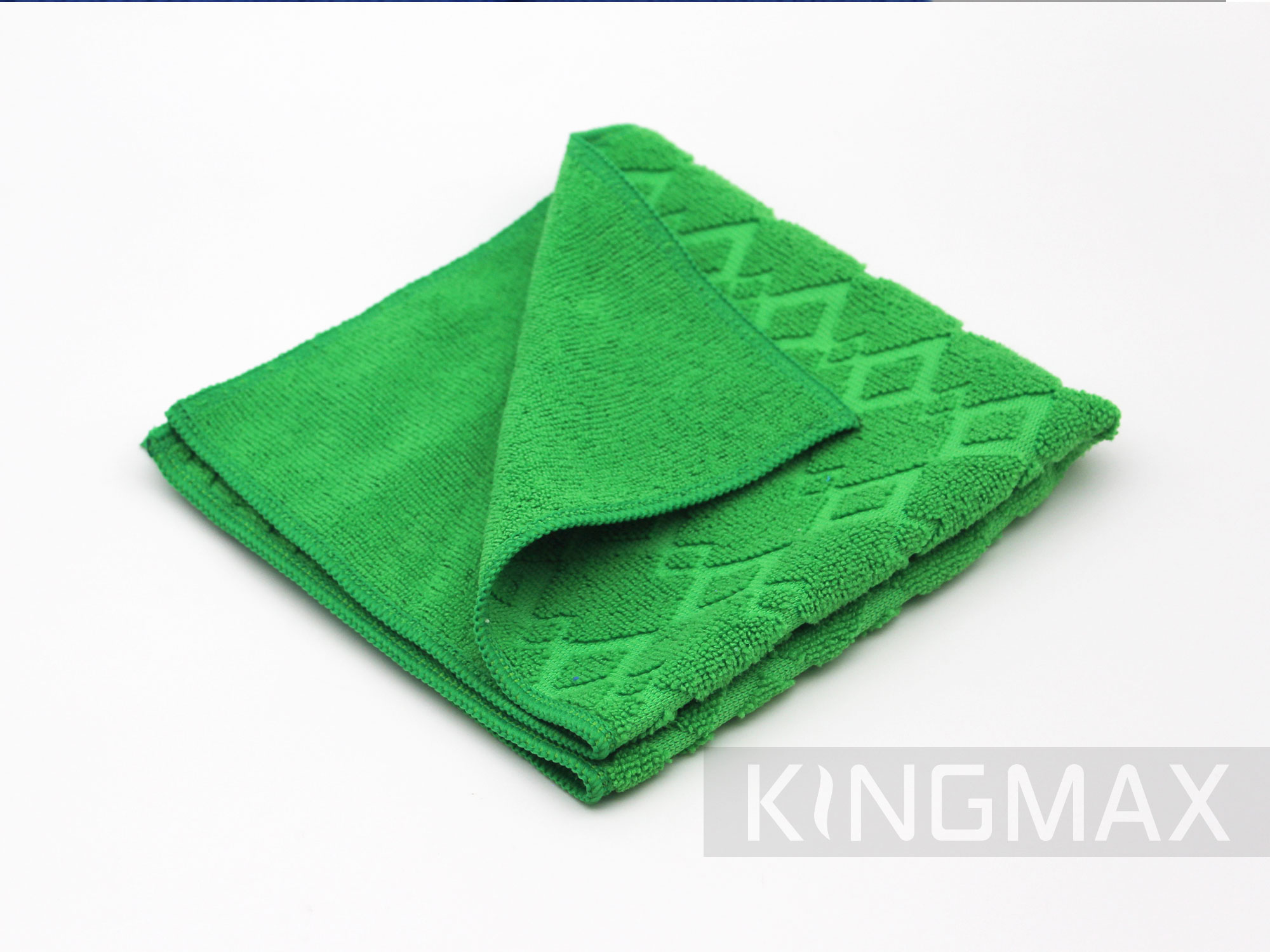
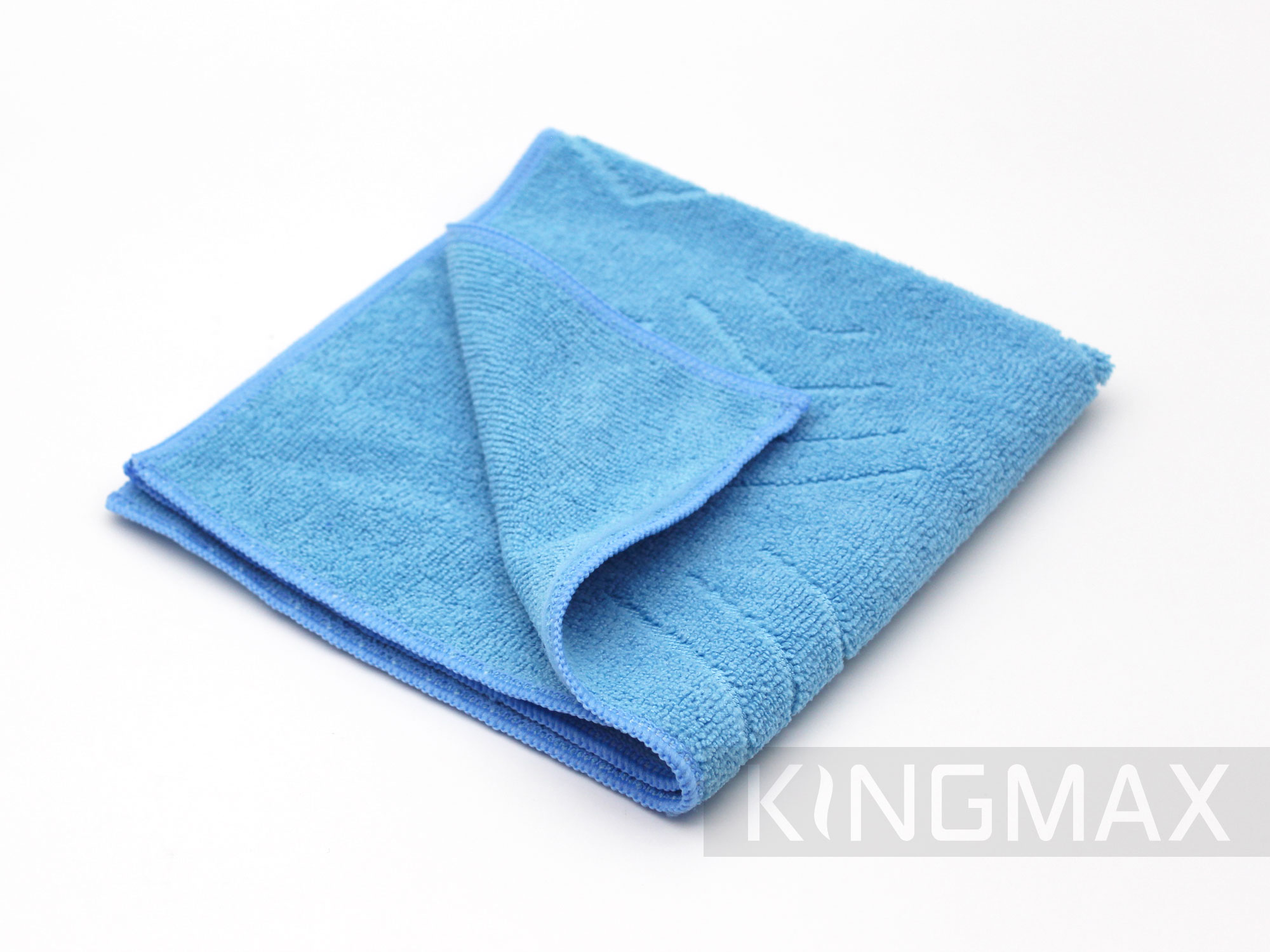
The jacquard weave builds a rough, uneven surface with a coarse touch. Those raised and recessed zones trap dirt and liquid intensely. Soil settles into the low points. The high points scrub the surface below. This structure gives the towel its cleaning power on tough stains and residues. Smooth and shiny surfaces benefit most. Glass, windows, countertops, and tile areas dry without lint or streaks. The tight weave holds fibers in place during wiping. No loose strands shed onto the surface.
Durability comes from the same construction. The towel is machine washable and survives hundreds of laundry cycles. Washing does not collapse the pile or loosen the weave. The jacquard pattern keeps its shape after repeated cleaning. This resilience sets the product apart from lighter terry towels that mat down over time. Care routines stay simple. Standard machine washing handles most soil loads. The towel also dries quickly after washing, which reduces downtime in laundry operations. Hospitality teams value this trait for bath towels and bath towel programs. Quick-dry towel performance keeps room turnover on schedule. Softness and absorbency hold steady across the product's service life.
Application Fit Across Cleaning Sectors
Household, Office, and Bathroom Use
The microfiber jacquard terry towel works well in everyday routines at homes, offices, kitchens, and bathrooms. Kitchen staff and home users grab it for countertops, tile, and appliance fronts. The towel picks up grease and water in one swipe. Office cleaning crews use it on desks, glass partitions, and breakroom surfaces. Lint-free drying keeps monitors and polished surfaces clear.Bathroom settings show another strength. Quick-dry bath towels go from shower to shelf with little downtime. A soft bath towel feel matters for guest comfort, and this fabric delivers it. Households that wash often like quick-dry towel behavior between loads. Standard cotton terry towels are still a solid choice for heavy body drying and long hot showers. Standard microfiber also works for light dusting tasks. Each option has a natural home, and the jacquard towel covers the middle ground where absorbency and fast turnaround both count.
Healthcare, Hospitality, and Industrial Cleaning
Healthcare and hospitality operations depend on high-frequency laundering. These sectors need bath towels that survive repeated washing without losing absorbency. The jacquard towel handles hundreds of laundry cycles. Its tight structure resists pile collapse across washing schedules. Hygiene-sensitive areas demand lint-free finishing on rails, trays, and glass. This towel leaves no residue behind. Hotels pair quick-dry bath towels with housekeeping carts to speed room turnover. Quick-drying bath towels also reduce dryer load in on-site laundries. A quick dry bath towel keeps pace with back-to-back shifts.
Industrial and general cleaning teams face hard stains and residues. The coarse jacquard surface scrubs without scratching most hard surfaces. Crews use these towels on equipment housings, workshop benches, and production floors. Cotton terry towels still fit heavy scrubbing jobs where bulk helps. Standard microfiber remains a practical pick for delicate electronics and lens work. Buyers should match the towel to the task. A highly absorbent option wins on spill response. A soft bath towel wins on guest-facing comfort. The right choice depends on the sector, the soil type, and the laundry cycle. Teams that map these factors select towels with confidence. Absorbent designs cut rework on wet surfaces. Quick dry towels support tight schedules. Washing your bath towels on a standard cycle keeps performance steady over time.
Regulatory Compliance and Standards
Certifications to Verify
Before buying, check several certification categories. Fiber-content labeling comes first. The towels must have labels that correctly state the polyester and polyamide percentages. A mislabeled microfiber jacquard terry towel creates compliance risk for the reseller. Performance testing certificates come next. These documents show absorbency rates and lint-free results under test conditions. Hygiene-related standards matter for healthcare and hospitality accounts. Suppliers should provide evidence of testing against the relevant hygiene standard for the market. Certification categories differ by market and by end-use sector. A healthcare buyer needs different proof than a retail buyer. Buyers must check each claim directly with the supplier. Certificate scope varies, and a valid document for one product line may not cover another. Ask for the certificate number and the testing laboratory name. Cross-check both against the issuing body's records.
Documentation and Traceability
Documentation expectations start with fiber composition disclosure. The 80/20 microfiber blend should appear on the specification sheet and the product label. Washing performance claims need supporting test records. A supplier should show how many washing cycles the towels completed before performance dropped. Traceability through OEM supply chains adds another layer. Buyers should ask for batch records that link finished towels to raw material lots. This trail supports quality audits and recall readiness. Checking the facts remains the buyer's responsibility. Request copies of test reports for these towels and confirm their dates and scope. A factual review of paperwork protects both parties. Keep these records on file for the life of the supply agreement. Repeat the check at each reorder, since production lots change over time. Documented towels move through audits with fewer delays. Suppliers with strong quality systems answer these requests quickly.
Cost Analysis: Upfront vs. Lifecycle
Purchase Price Factors
The starting price is different for each of the three main choices. A microfiber jacquard terry towel usually costs more per piece than a plain cotton cloth. The jacquard weave is more expensive to make. In many quotes, standard microfiber falls between the two. Cotton is still the cheapest way to start for bulk buyers. Each option earns its price in its own way. Cotton gives a familiar feel at a low starting cost. Standard microfiber picks up fine dust at a fair price. The jacquard towel puts absorbency and scrubbing structure into one product. Buyers should compare quotes using the same basis: size, weight, and fiber content. A cheap quote on lighter goods says little about value.
OEM sourcing and customization change the unit price. Fabric choice, color, size, logo, and trims each add cost. Custom logos need extra production steps. Special trims raise material and handling costs. These factors apply to any towel program, not just this one. Volume matters too. Larger orders spread setup costs across more units. Buyers should ask for quotes that separate base price from customization charges. That breakdown makes it fair and clear to compare suppliers.
Lifecycle Cost and Wash Cycles
Lifecycle cost often matters more than the purchase price. These towels last through hundreds of laundry cycles. A long service life spreads the unit price across many uses. Cheap towels that fail early cost more per use. Quick-drying behavior cuts turnaround time. Fast drying means less dryer time and a faster return to service. Effective dirt pickup reduces chemical and water use. Crews clean with fewer passes and less solution. Those savings add up across a facility.
Washing practice shapes the math. Proper washing your bath towels on a standard cycle protects the pile. Teams that track cycle counts see the real cost per use. A quick dry bath towel supports tight schedules in hotels. Quick-dry bath towels help laundries run leaner. Absorbent designs cut rework on wet surfaces. Buyers should model cost per use, not shelf price alone. The right choice depends on the sector and the laundry cycle.
Four factors frame the 2026 shift: performance, versatility, compliance, and lifecycle value. These towels score on each. Buyers should weigh them against sector needs and cost models. Adoption will follow proven fit. The best quick-dry towels will earn their place. Bath towels in hotels, bath towels in hospitals, and bath towels in clinics face the test.
Comments